7th Spanish-Swiss Meeting on Innovation – Diplomacy and Neurotechnology
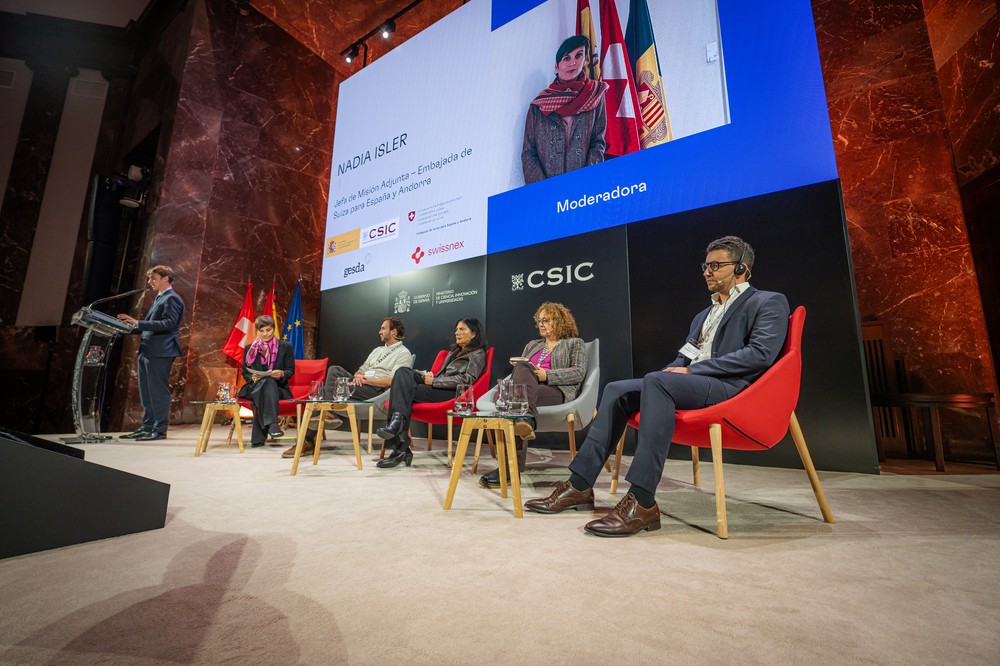
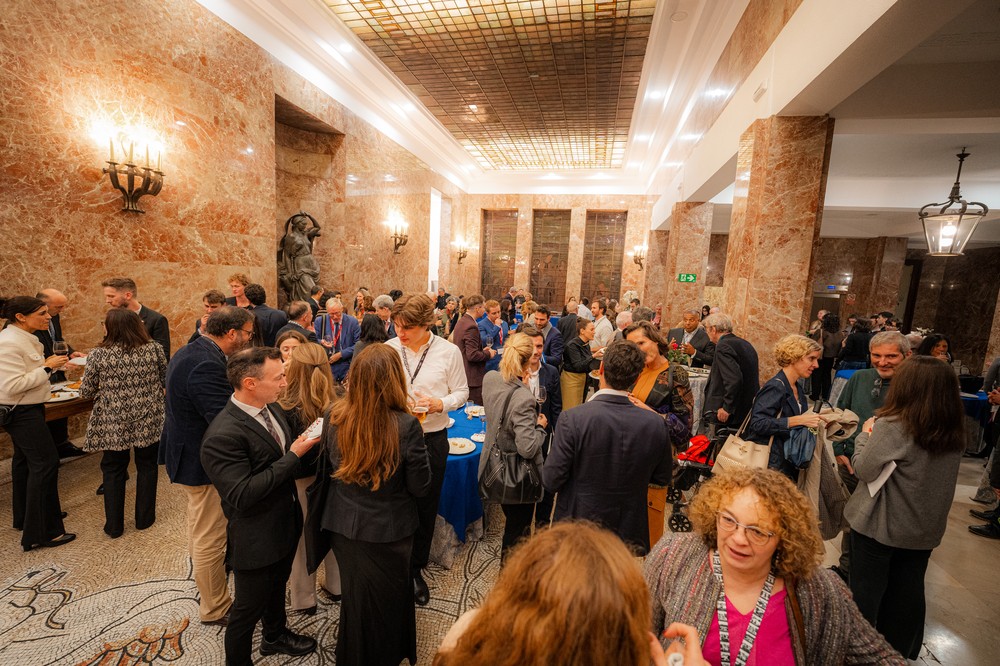
The Embassy of Switzerland to Spain and Andorra, in collaboration with the Spanish Ministry of Science, Innovation and Universities, organized the seventh edition of the Spanish-Swiss Meeting on Innovation on 5 November 2025 in Madrid. This annual event fosters dialogue and collaboration between key stakeholders from the scientific, diplomatic, and private sectors.
Diplomacy and neurotechnology were at the heart of this year’s edition, which sought to strengthen connections between neurotechnology researchers, human rights experts, and representatives of the private sector.
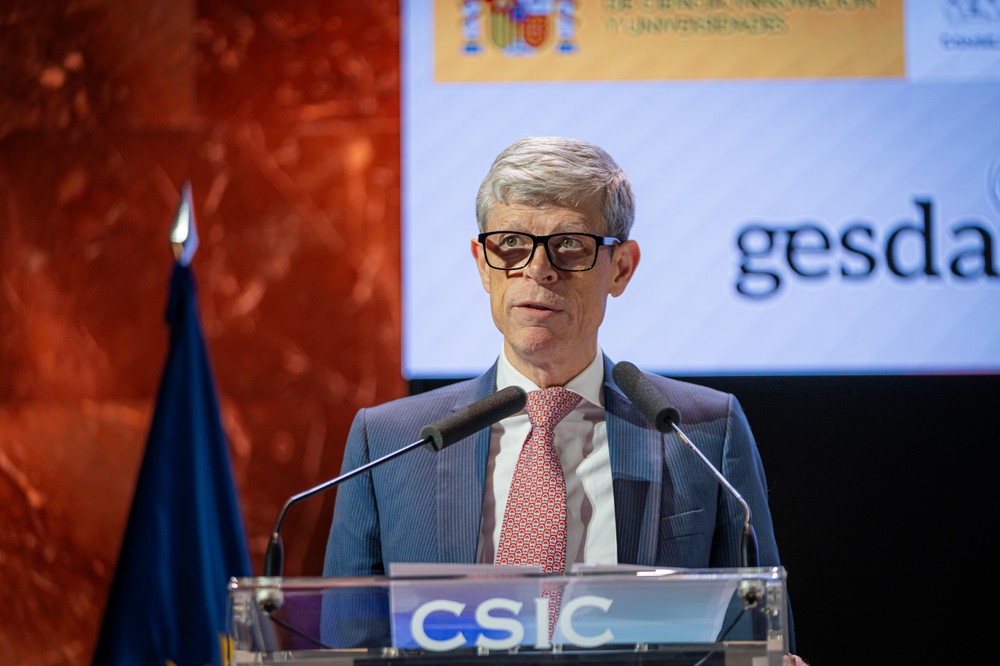
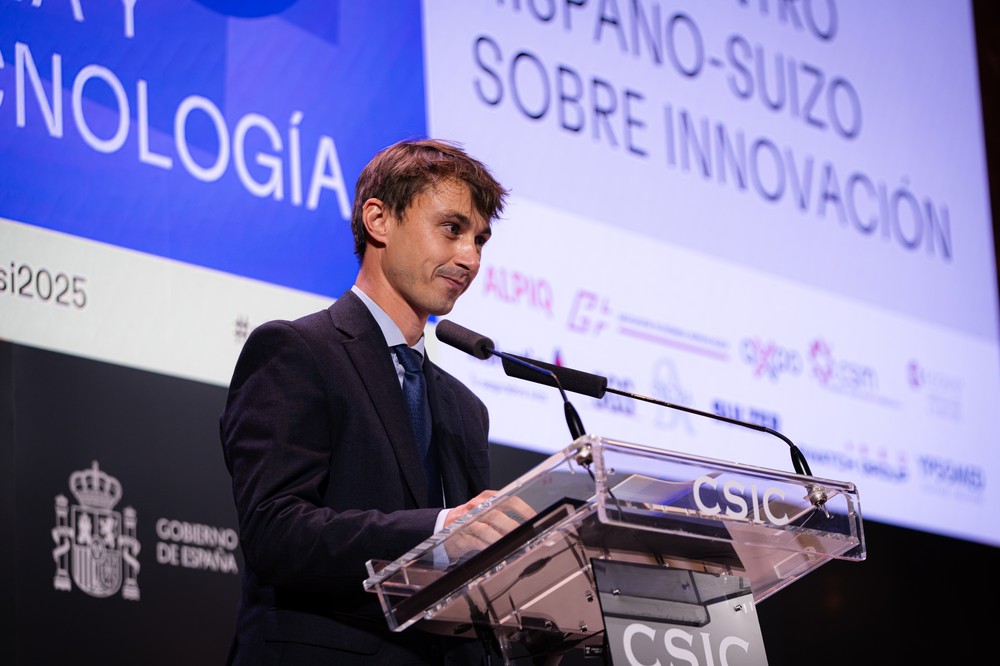
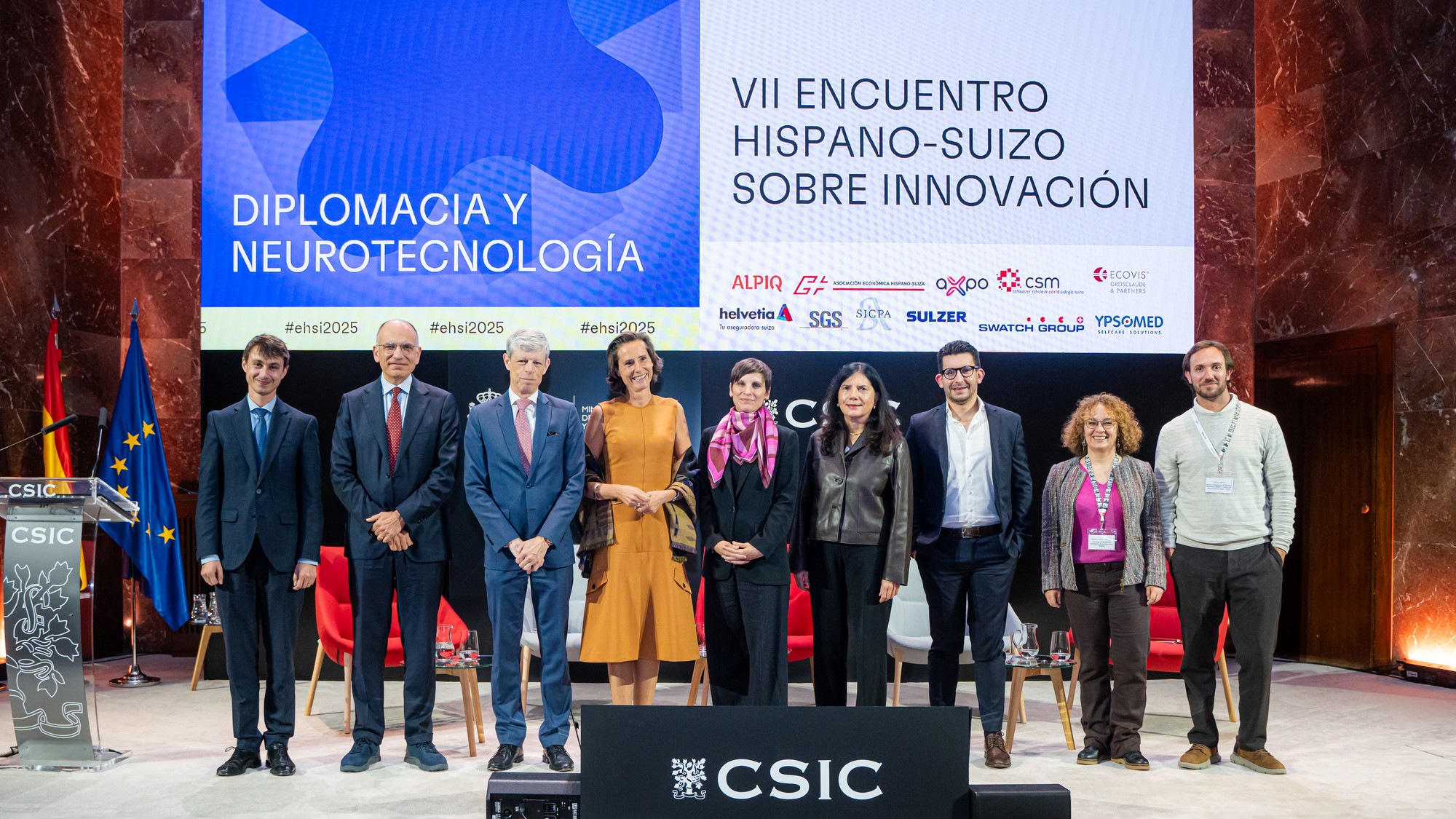
The institutional presence included Ambassador Heinrich Schellenberg; Javier Moreno, Vice-President for International Relations of the Consejo Superior de Investigaciones Científicas (CSIC); Marilyne Andersen, Director of the Geneva Science and Diplomacy Anticipator (GESDA); and Enrico Letta, President of the GESDA Diplomatic Forum.
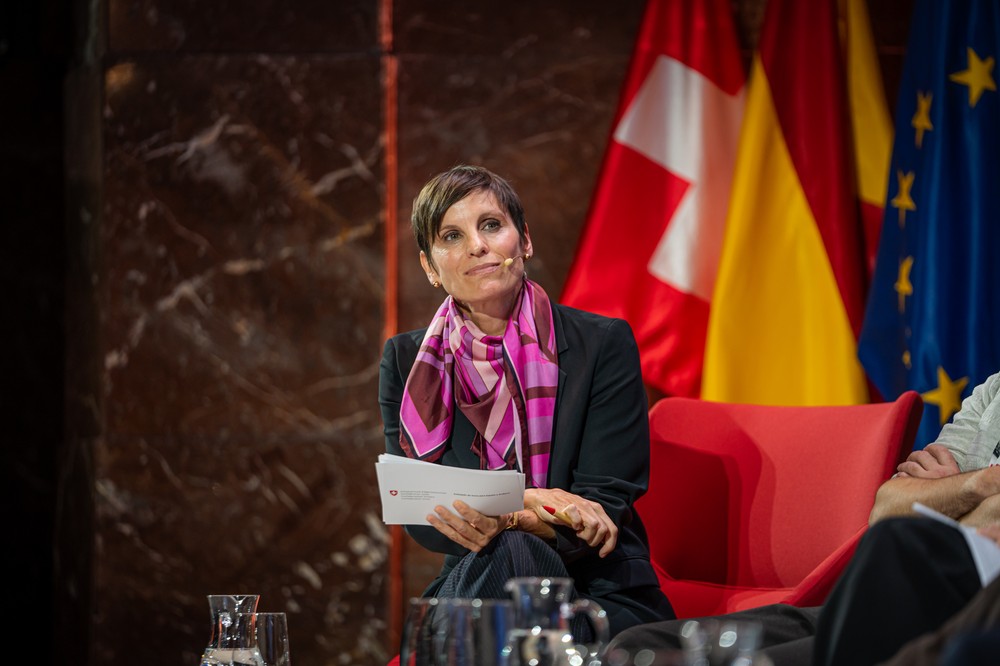
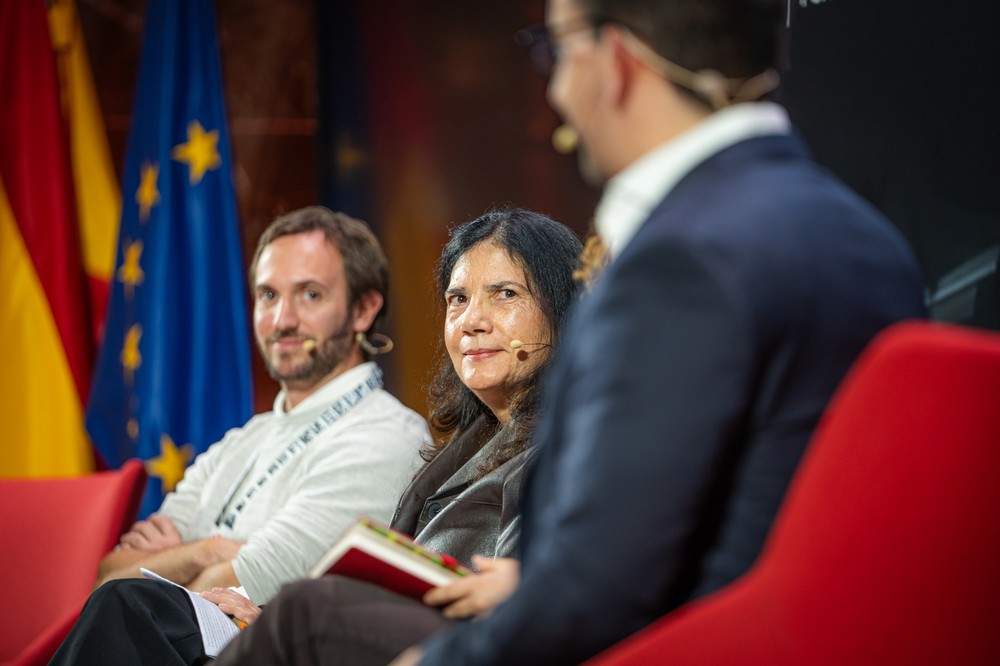
A high-level panel discussion brought together experts from Spain and Switzerland to examine synergies between science diplomacy and neurotechnology, while highlighting successful examples of neurotechnology research. Swiss participants included representatives of the United Nations Human Rights Council and Neurosoft Bioelectronics, while Spain was represented by researchers from the CSIC and IDIBAPS (Institut d'Investigacions Biomèdiques August Pi i Sunyer).
Three key insights emerged from the discussion:
- Building bridges between knowledge communities is essential to ensuring that technological advances deliver positive societal impact.
- Clear incentives are needed to encourage closer collaboration between science, industry, and diplomacy.
- Anticipating both the benefits and risks of scientific advances is critical to achieving a secure, inclusive, and equitable future.
The strong Swiss participation underscored the added value of Switzerland’s science diplomacy initiatives and demonstrated its ability to engage Spanish and international audiences on emerging and sensitive technological issues. The collaboration between Spain and Switzerland was highlighted as a model of how countries can work together to address shared challenges and opportunities, while fostering closer ties between their diplomatic, economic, and scientific communities.
Building on this momentum, the next edition of the Spanish-Swiss Meeting on Innovation is scheduled for autumn 2026. In the meantime, we will continue to strengthen its visibility and engagement in the field of science diplomacy through targeted communication activities.