A Robotics Renaissance
Artificial Intelligence (AI) remained a focus topic for Swissnex in San Francisco in 2025, given the importance of Silicon Valley in AI development. We coupled the topic with robotics, an area where Switzerland excels, not alone thanks to research ecosystems like ETH Zurich, EPFL, IDSIA USI-SUPSI, often referred to as the “Silicon Valley of Robotics”.
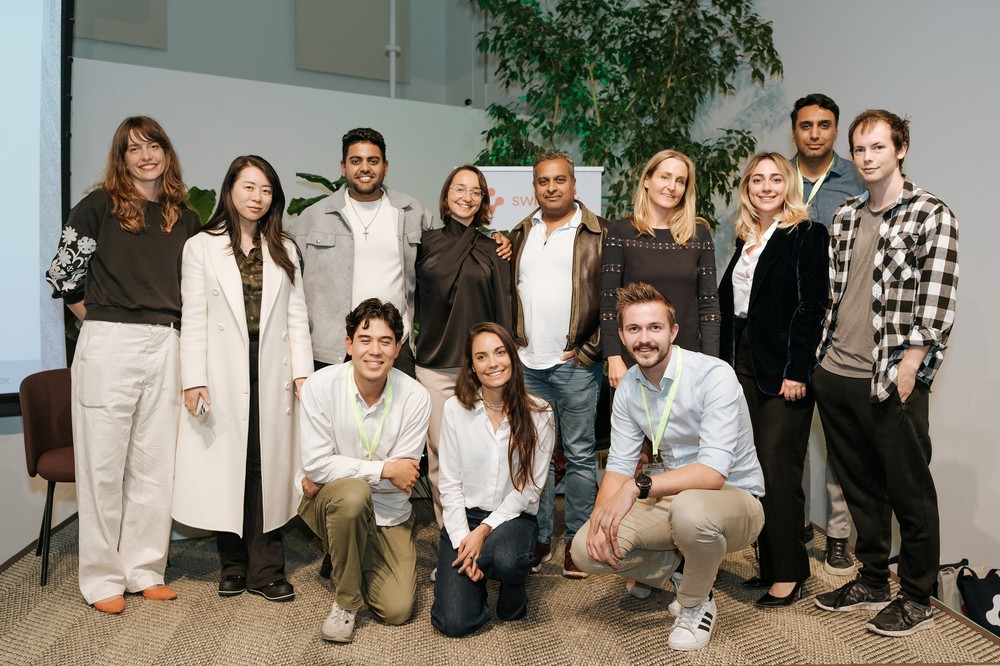
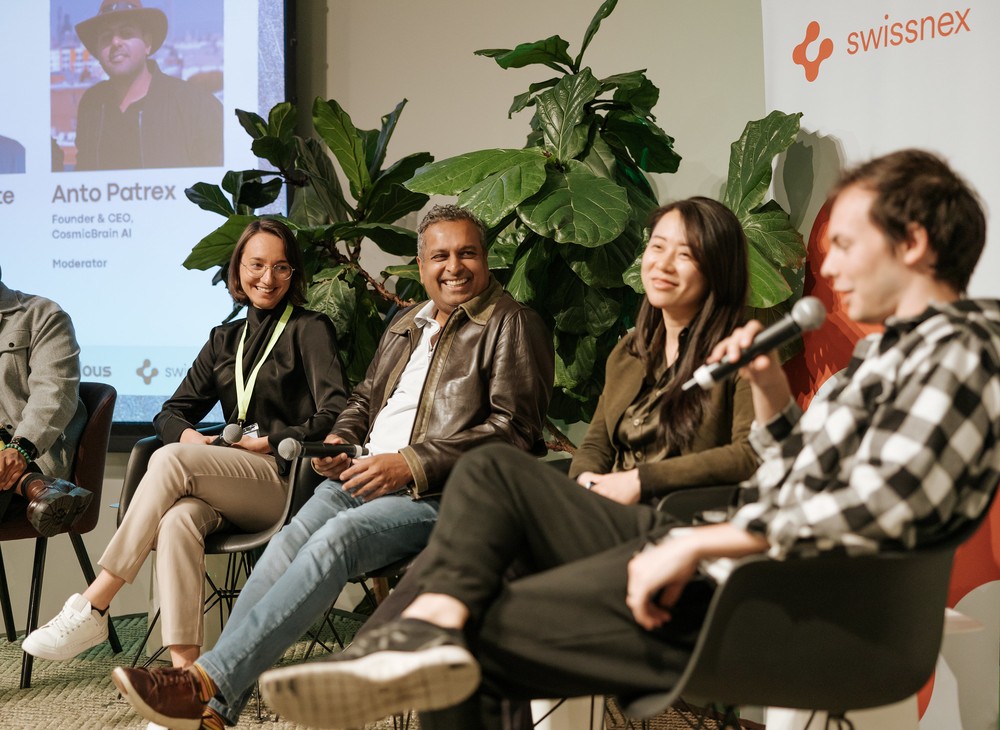
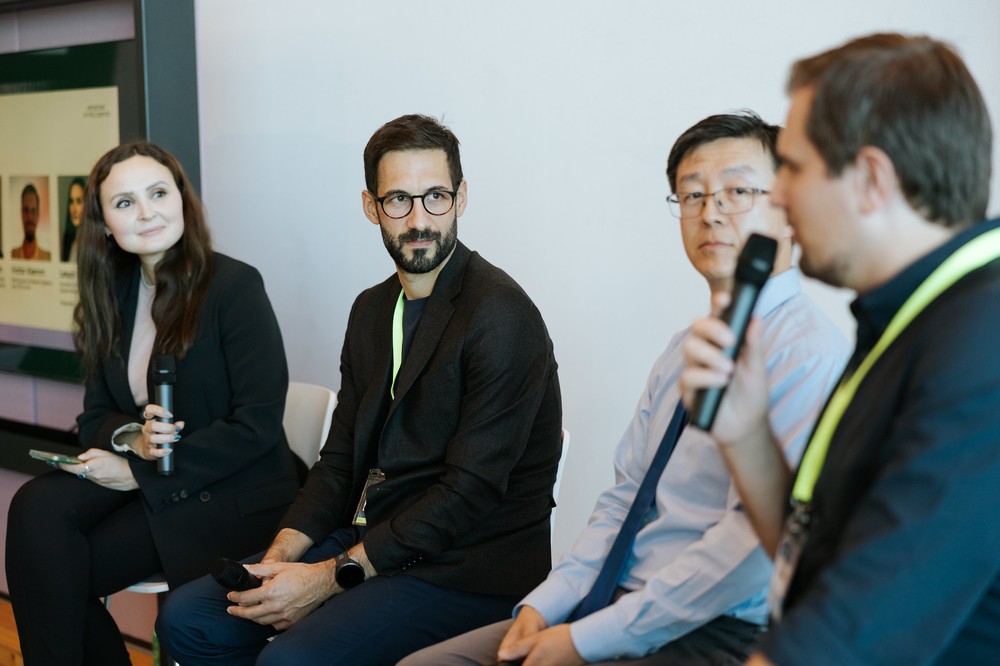
A culmination of that effort was Embodied Intelligence, a week-long immersion program that brought together Swiss researchers and founders to explore the future of robotics and AI through the lens of Silicon Valley.
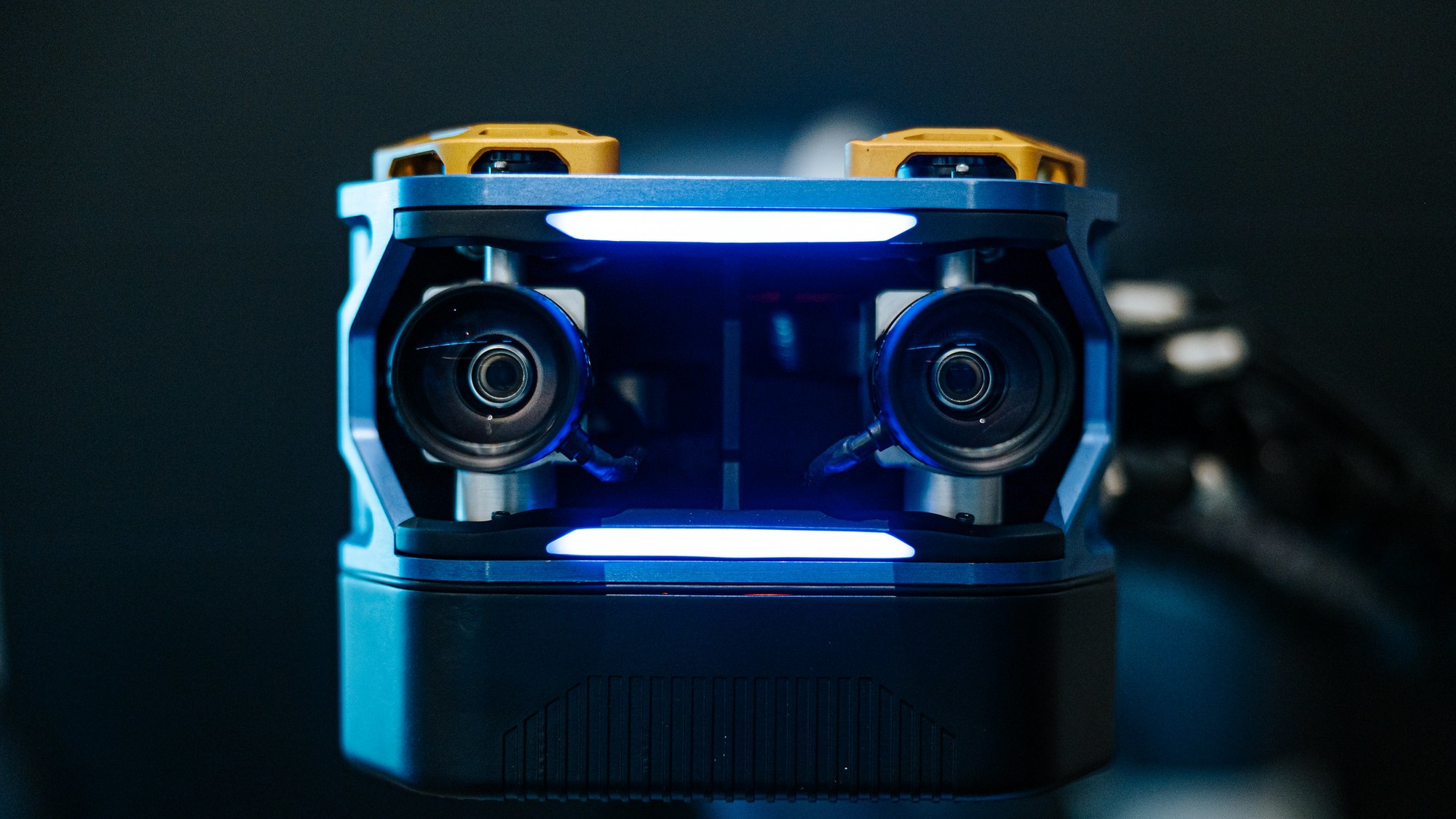
Silicon Valley is buzzing with a new robotics renaissance, humanoids companies raising capital like never before, and robots learning from experience boosted by new algorithms. The Bay Area has rapidly become the epicenter of “Physical AI”, a term popularized by NVIDIA CEO Jensen Huang to describe learning systems powered by AI becoming embodied, capable of acting in the physical world with increasing autonomy.
The Swiss researchers and startups took the opportunity to treat the city like a living lab. Throughout the Embodied Intelligence week, the cohort encountered robotics not as future visions but as active, evolving systems, having conversations with engineers, researchers, investors, and founders.
At Stanford University’s Robotics Center and Movement Lab for example, the group saw first-hand how robotics research is increasingly grounded in human motion, perception, and embodied interaction. At OpenAI, the conversation shifted to how large multimodal models could underpin the next wave of entrepreneurs and startups.
Perhaps the most concrete manifestation of embodied AI came not in a lab, but in the streets of San Francisco: the cohort’s ride in a self-driving Waymo vehicle was a reminder of how robotics is already navigating public space, and rapidly expanding.
This program reinforced Switzerland’s unique position in the global robotics landscape. While Silicon Valley moves fast, sometimes too fast, with its famous motto “move fast and break things,” Switzerland excels in precision and reliability. Together, these approaches are not opposites but complements. When brought together thoughtfully, they offer a powerful blueprint for the future of robotics, one grounded in both ambition and responsibility.
Swissnex has long served as a bridge between ecosystems, and Embodied Intelligence demonstrated the value of structured immersion at a moment when robotics is expanding and accelerating. What the cohort observed in Silicon Valley will inform research trajectories, startup strategies, and collaborations.