In Belém, Diplomacy Listens to the Forest
At the UN climate conference COP30 in the Amazonian city of Belém last November, Switzerland’s presence looked markedly different from the familiar architecture of national pavilions: no exhibition halls packed with slogans, no choreography of ministerial speeches. Instead, at the Museu Paraense Emílio Goeldi – set amid the region’s rich biodiversity – Swissnex installed a Planetary Embassy: a pop-up diplomatic outpost designed less to negotiate positions than to test a new way of engaging with planetary challenges.
The pavilion formed part of Swissnex for the Planet, an initiative that explores how diplomacy might deal more directly with planetary systems themselves. Conceived as an experiment in what Swissnex has called “planetary diplomacy,” the Planetary Embassy shifted attention towards non-human perspectives, drawing on science, indigenous knowledge, and cultural practice to treat ecosystems not as background to policy, but as actors in their own right.
Hosted as part of the Road to Belém program led by the Embassy of Switzerland in Brazil, and supported by Presence Switzerland, the pavilion served as Switzerland’s main platform at COP30. Its location, within the botanical gardens of a research museum rather than the main conference zone, was deliberate. The aim was to slow the tempo of the summit and offer space for reflection at a gathering more often defined by urgency and exhaustion.
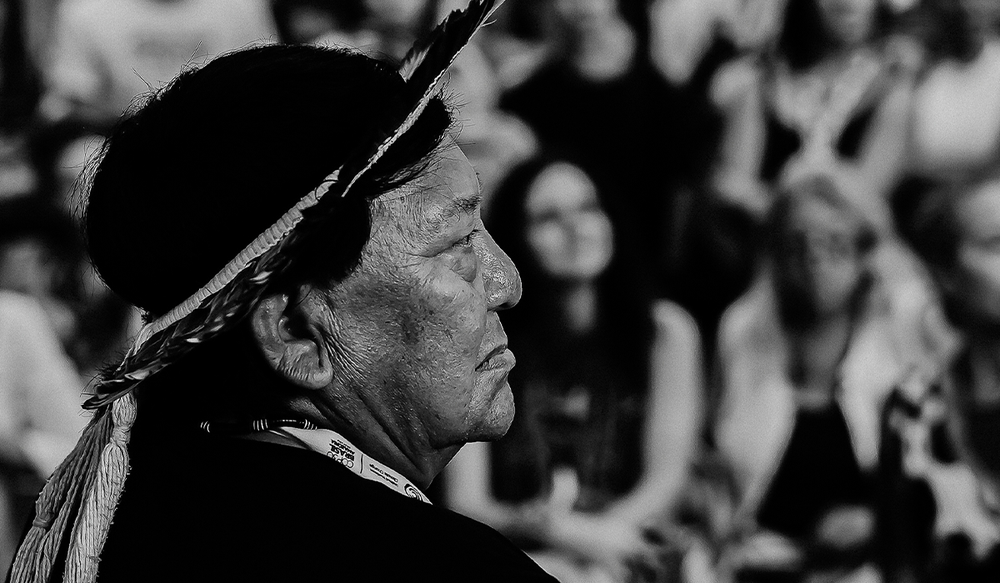
Over two weeks, the Planetary Embassy convened fifteen sessions blending dialogue, exhibitions, and immersive experiences. Indigenous leaders, including Yanomami shaman Davi Kopenawa, were not treated as symbolic participants but as agenda-setters, introducing forest-based worldviews that challenged the human-centred assumptions underpinning much climate policy. Scientists, artists, entrepreneurs, and diplomats were invited to respond with questions rather than counter-arguments.
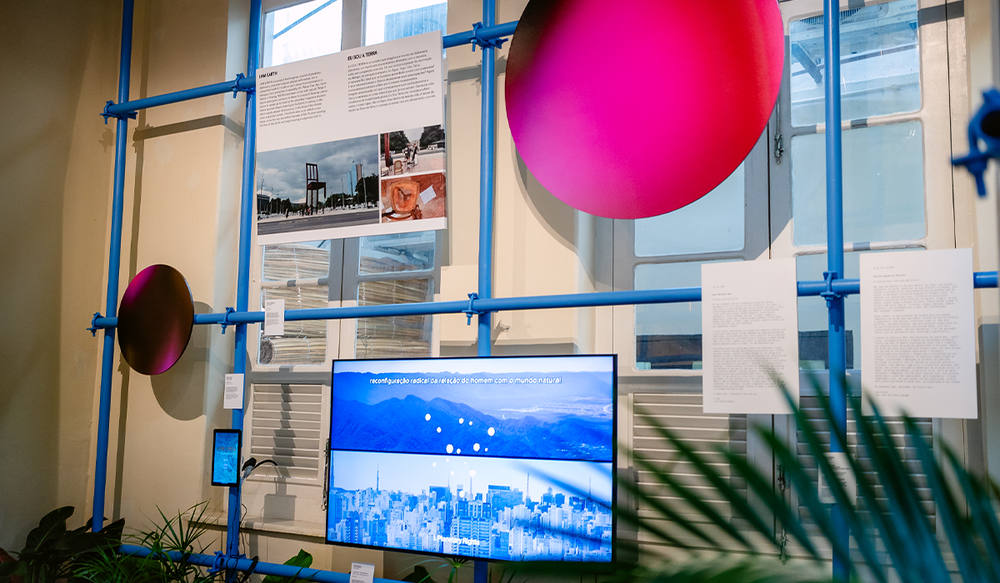
Swiss and international partners such as the Frontiers Planet Prize, GESDA, the University of St. Gallen, the University of Geneva and the Berggruen Institute contributed perspectives ranging from scientific foresight to planetary governance. An exhibition, Imagining Planetary Diplomacy, showcased speculative proposals gathered through a global open call, asking what institutions designed explicitly to defend planetary interests might look like.
The Planetary Embassy also produced tangible outputs. Swissnex launched a new mapping, Switzerland and Amazonia: Together for a Thriving Planet, identifying 44 Swiss-based organizations active in the region. The report laid the groundwork for a longer-term “Amazon Coalition” linking research, innovation, and cultural actors. Progress on nexBio Amazônia – a partnership with the Leading House Latin America and Brazil’s CONFAP – demonstrated how sustained cooperation can support an Amazonian bioeconomy rooted in local value creation.
Whether planetary diplomacy will reshape international practice remains to be seen. But in Belém, Switzerland offered a provocation: that confronting planetary crises may require not only faster decisions, but deeper listening – to science, indigenous peoples, the arts, and the forest itself.